by Andrey Prigov | Feb 14, 2018 | Columbia University
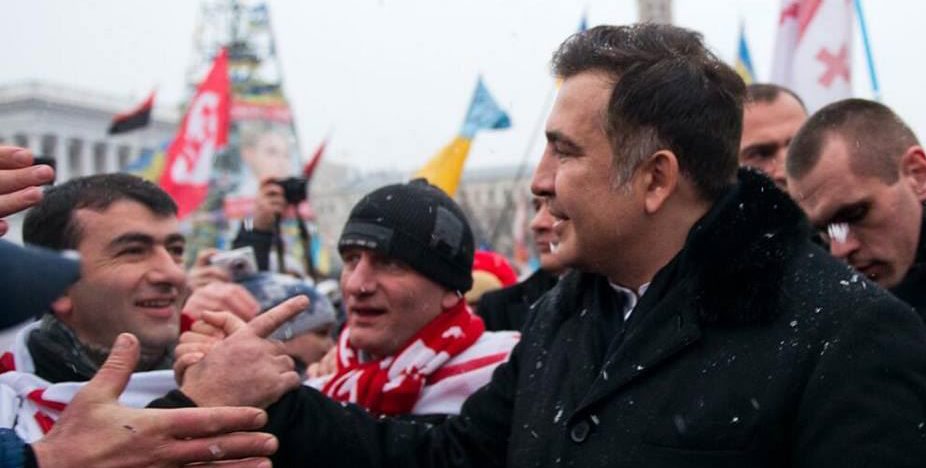
As Ukraine waits to recover from the social unrest sparked by 2014’s Maidan Revolution and pro-Russian unrest in the Donbas region, it has become painfully evident that eradicating the corrupt business-as-usual mentality within the nation’s politics will be much more...
by Victor Brechenmacher | Nov 26, 2017 | Brown University
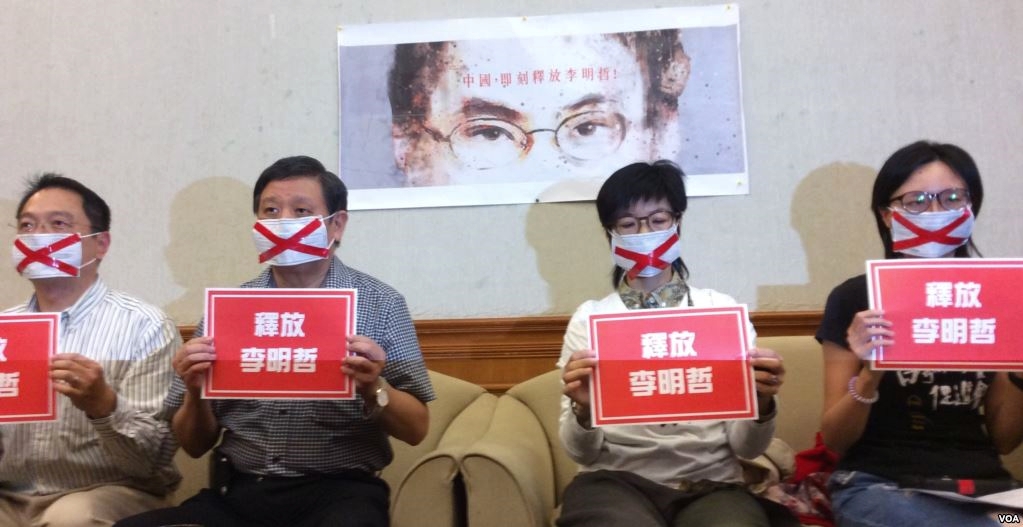
On Saturday, Russian president Vladimir Putin signed into law a bill forcing all foreign-funded media in Russia to register as ‘foreign agents.’ The move echoes a 2012 Russian law asking the same of any domestic NGO receiving external funding. In June,...
by Dania Helou | Nov 20, 2017 | University of Memphis
Attorney General Avichai Mendelblit, on Wednesday, reconfirmed Israeli Supreme Court’s decision that Israeli authorities could expropriate privately owned Palestinian land for public use for Jewish settlements in the West Bank. According to the Supreme Court Justice...
by Bradly Knox | Nov 17, 2017 | University of Memphis
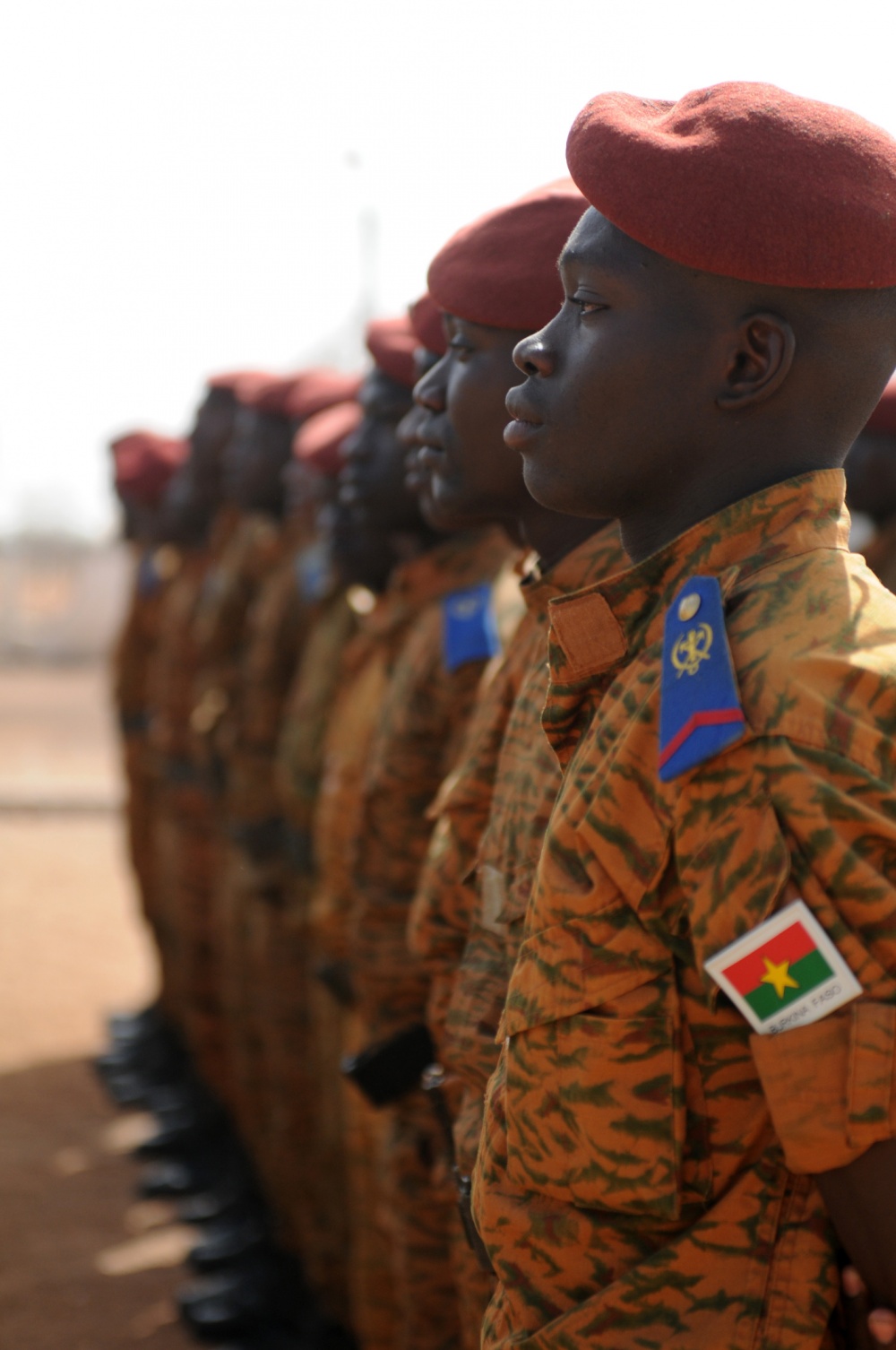
From Enigma to a Stigma A column written for Foreign Policy magazine asks, ever so frankly, Why Are Africa’s Militaries So Disappointingly Bad? A variety of explanations could be drafted to explain as to why there is a negative reaction to uniformed African soldiers...
by Victor Brechenmacher | Nov 17, 2017 | Boston University
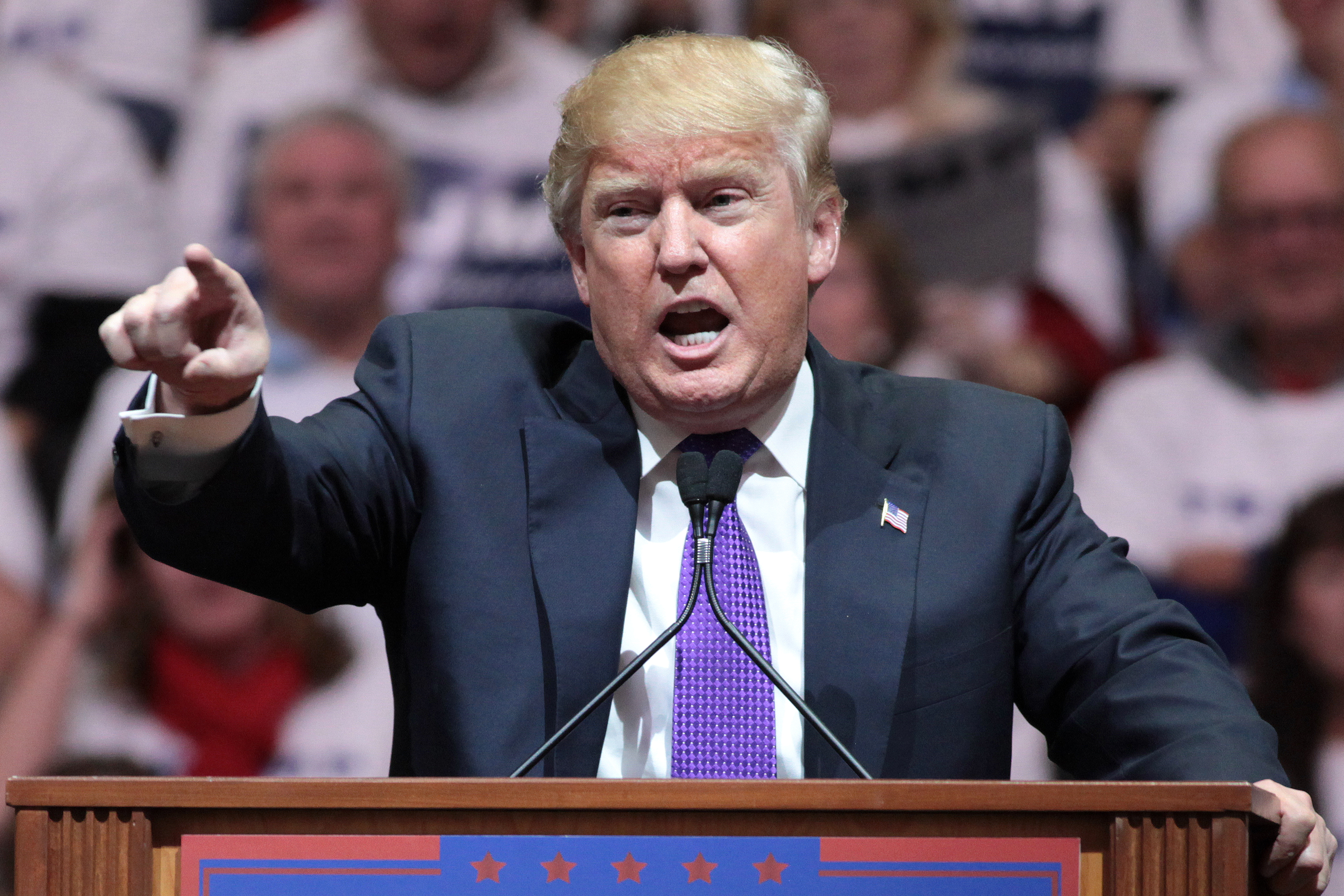
It’s become a received wisdom of sorts that the media failed to grasp Donald Trump’s rise in 2016 ahead of time because “the press [took] him literally, but not seriously; his supporters [took] him seriously, but not literally.” Too focused on...