by Yeowon Jung | Oct 16, 2026 | George Mason University
When people think about how democracy dies, they often imagine violent military coups. However, in the modern world, democracy usually dies slowly, legally, and from within. Tunisia was once celebrated as the sole success story of the 2011 Arab Spring. ...
by Carolina Rivas | Oct 8, 2026 | Boston University
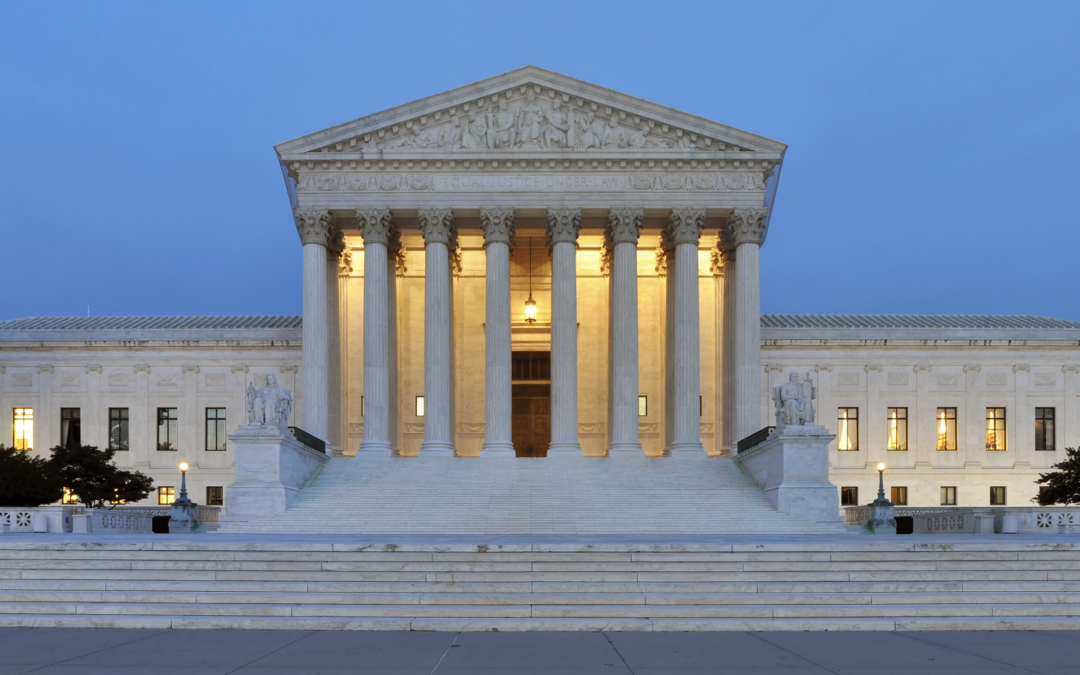
In 2026, the Supreme Court allowed President Trump to fire the Federal Trade Commissioner (FTC), overturning a major restraint on presidential power. By a vote of 6-3, the justices struck down a federal law that bars the president from firing members of the FTC except...
by Rhea Bhandari | Oct 8, 2026 | Boston University
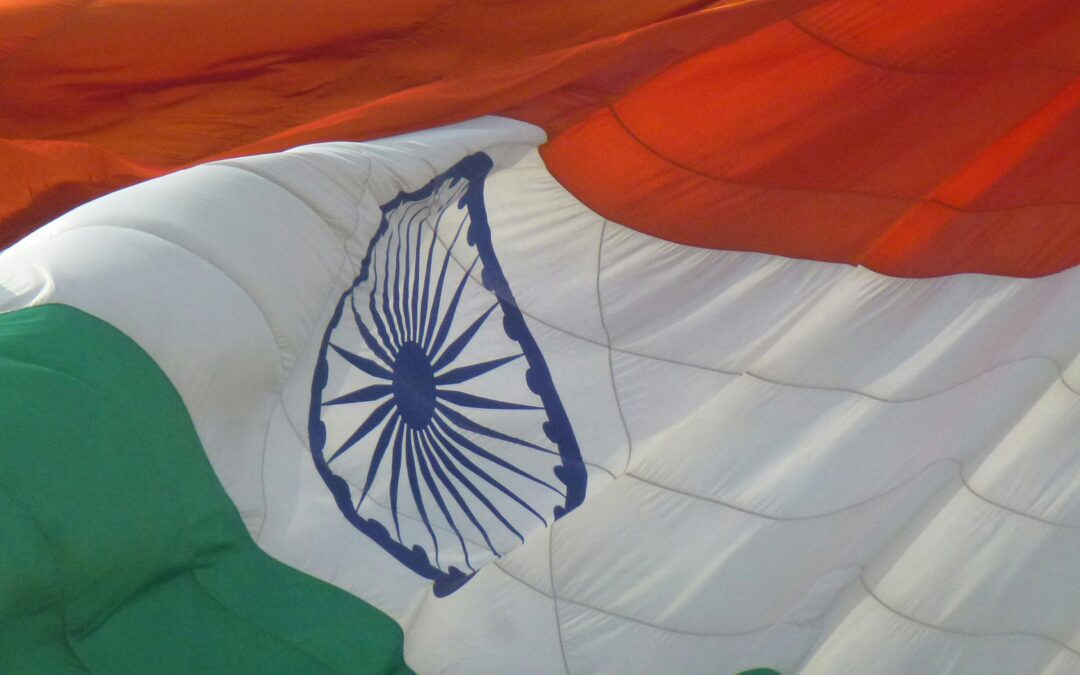
India is the world’s largest democracy, with a population of more than 1.48 billion. In the 2024 general election, voting took place over 44 days, making it the largest democratic exercise in the world. Unlike the United States where elections are decentralized...
by Kate Charlotin | Oct 2, 2026 | Boston University
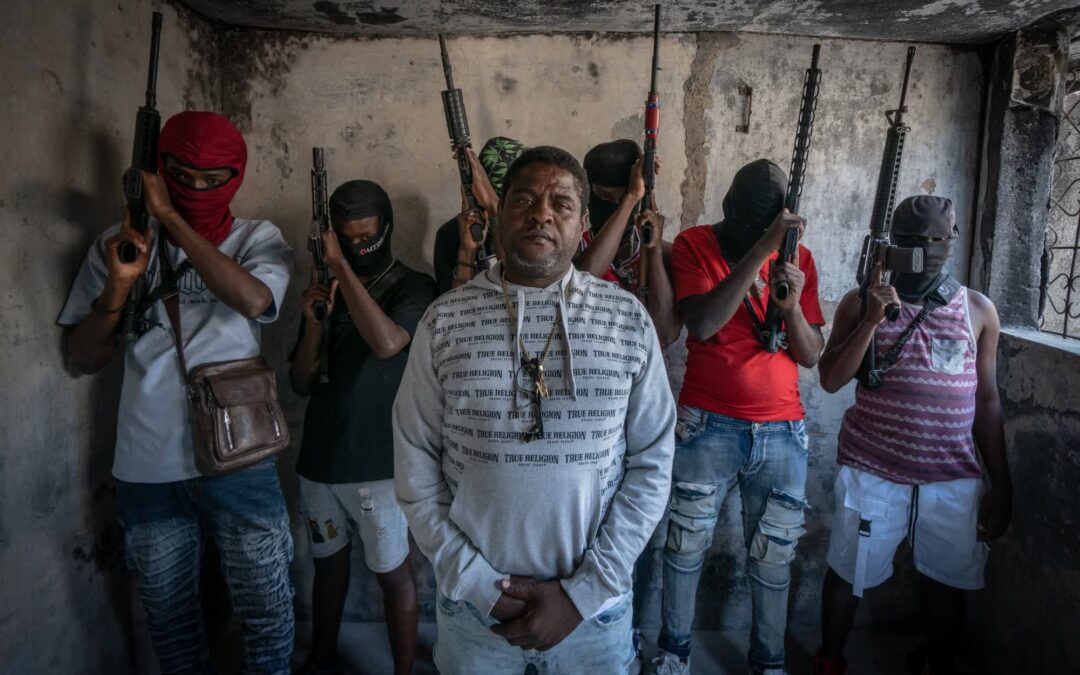
On July 7, 2021, Haitian President Jovenel Moïse was assassinated at his home, and the suspects and conspiracy theories surrounding the attack have fallen on political opponents, his own wife, Colombian mercenaries, and other outside forces. That so many explanations...
by Brandon Venancio | May 5, 2026 | James Madison University
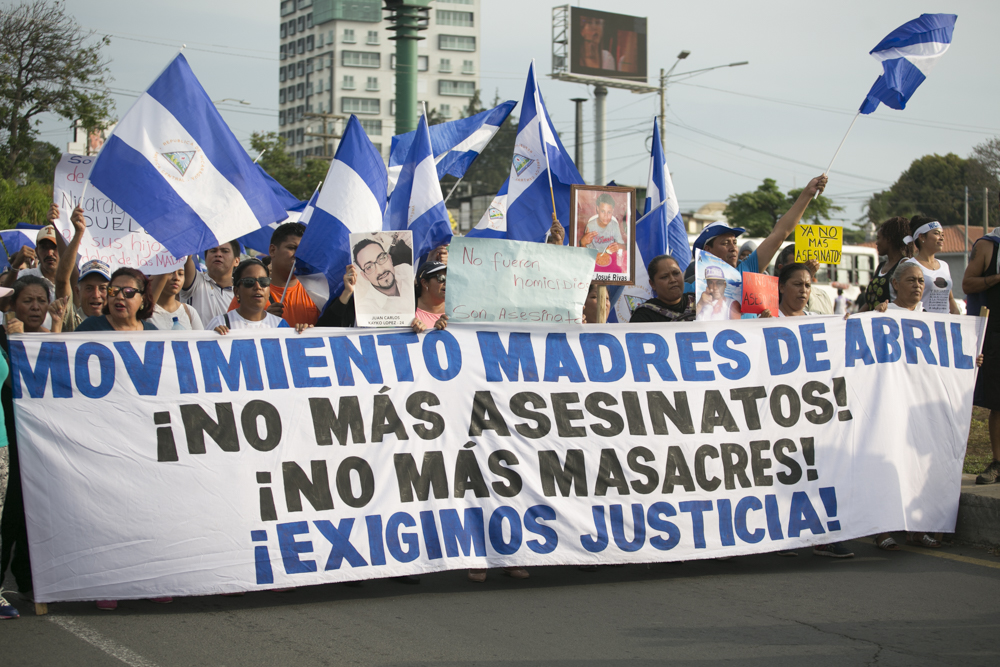
Nicaragua under Daniel Ortega has seen its presidential republic downgraded from a competitive democracy to an authoritarian regime, where the government has been more focused on the suppression of its opposition rather than improving the overall quality of life for...