by Amy Emma Rabbette | Apr 17, 2026 | Boston University
Democracy is often judged by whether a country holds elections, maintains courts, and allows political competition and debate. Yet in many modern political systems, these institutions continue to exist while their ability to provide meaningful accountability is...
by Kerry Glynn | Apr 17, 2026 | Boston University
Communist Bulgaria fell in 1989, being replaced by a democratic system with severe economic challenges and deep political reforms. In 2007, Bulgaria joined the EU hoping to strengthen democratic institutions and economic growth. However, Bulgaria still faces lots of...
by Maya Popper | Apr 17, 2026 | Boston University
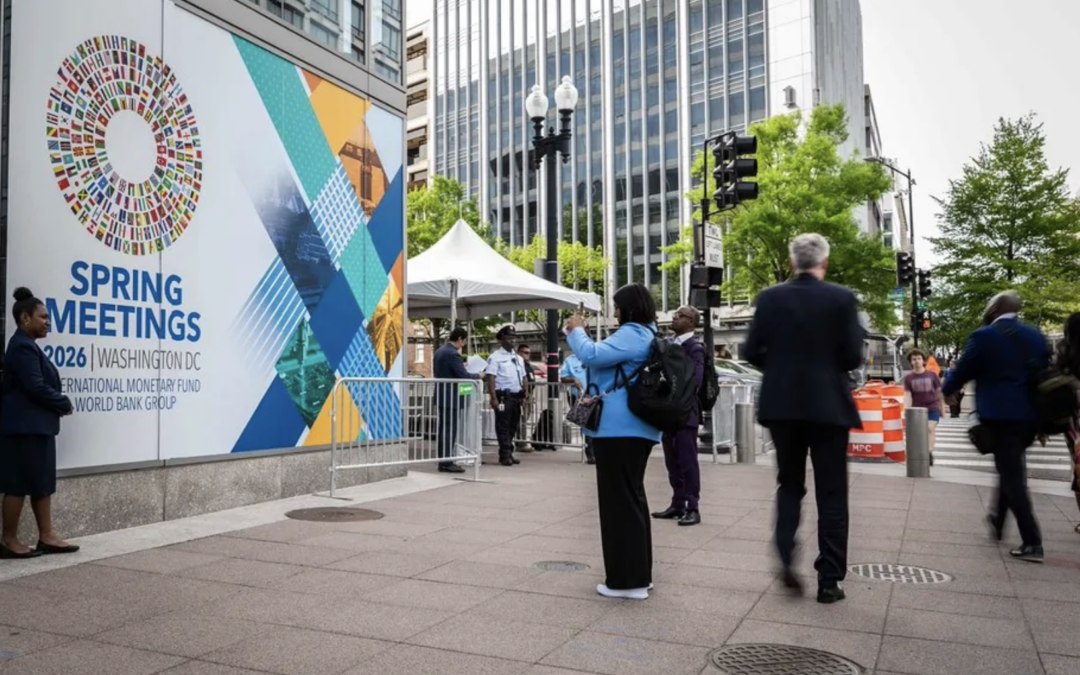
Democratic backsliding is often seen as a political problem, a phenomenon that manifests itself in elections, courts, or constitutions. But what if its effects reach well beyond the realm of politics to the global economy? The piece “Why Democratic Backsliding Should...
by Andrew Chen | Apr 15, 2026 | Boston University
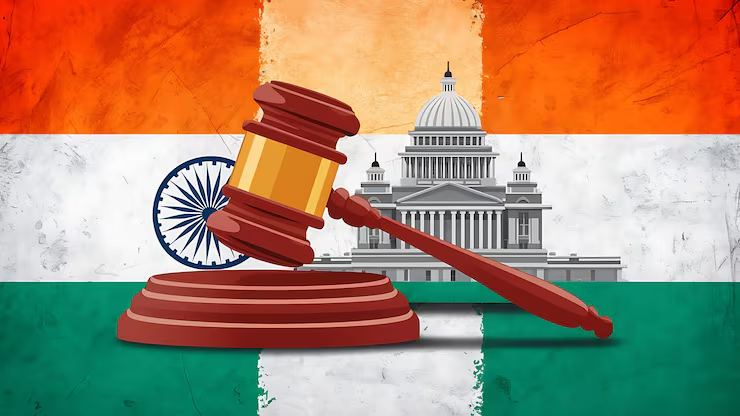
Recently, India has been experiencing some forms of democratic backsliding. According to Nancy Bermeo’s “On Democratic Backsliding”, she depicts democratic backsliding as “the weakening and disassembling of a given set of democratic institutions”. Democratic...
by Will Speight | Apr 12, 2026 | Boston University
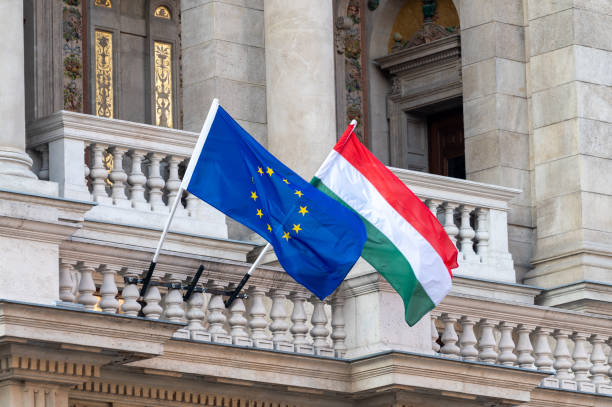
Hungary’s 21st century shift from liberal democracy into a “hybrid regime” – or a competitive authoritarianist state, as the phenomenon is also sometimes known – has been well-studied and quite heavily maligned by political science thinkers while it has been...