by Astrid Weinberg | Feb 25, 2022 | University of Chicago
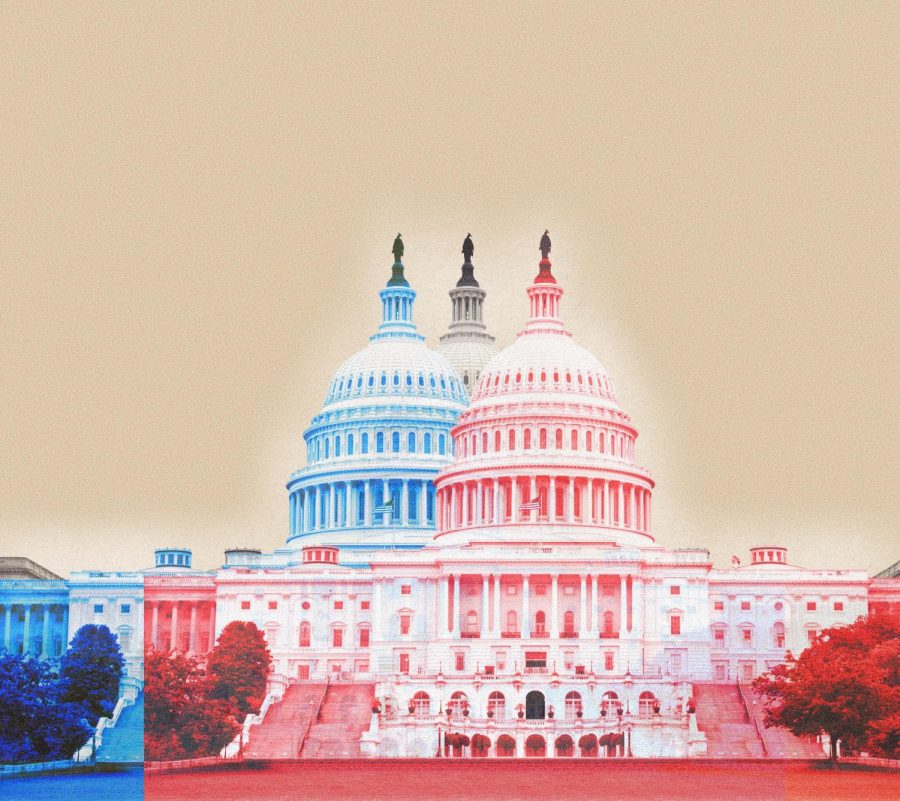
Impeachment trials are sensationalized events that capture American national attention and media focus. To date, no U.S. president has been removed from office as a result of an impeachment conviction. Such a statistic does not mean that impeachment is an ineffective...
by NSARAYLI17@KU.EDU.TR | Jan 18, 2022 | Koç University
In November 2013, it was the beginning of the protests that changed the future of Ukraine, both from its own citizens and the world. Chenoweth & Stephan suggests in their book of “Why Civil Resistance Works” suggests that nonviolent protests have a greater success...
by Baha Bilgin | Jan 5, 2022 | Koç University
On November 21, 2021, Chile conducted general elections, which included presidential, parliamentary, and regional elections. The general elections were conducted in the midst of a democratic legitimacy crisis that emerged in 2019 with large-scale mass protests about...
by Samuel Zirock | Dec 8, 2021 | Georgia State University
Polarization can be observed as a phenomenon inflicting countries around the world to varying degrees. South Korea is no exception, since the founding of the Sixth Republic of Korea in 1987, the country has experienced polarization of varying levels, and even an...
by Anna Kimberly | Dec 5, 2021 | Georgia State University
Norway has historically been one of the most robust and successful democracies especially since the end of World War II and Nazi occupation. The country consistently ranks high on metrics of human development including Freedom House, raking Norway 100 out of 100...