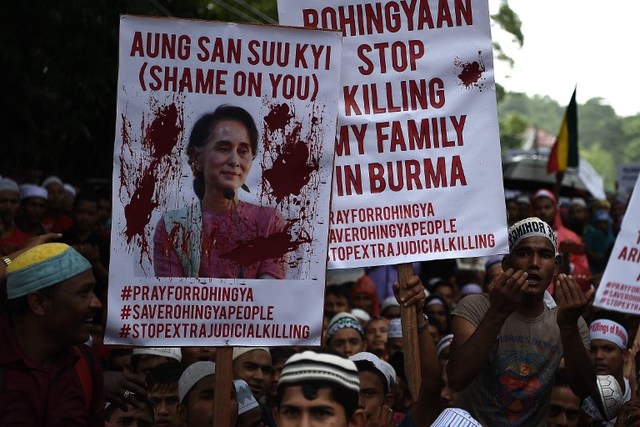
by KATRINA SAYA WEBB | Mar 15, 2018 | University of California, Los Angeles
When Myanmar began its transition to democracy in 2010, it signaled a new hope for democracy in the developing world. Once thought impossible, the release of long-time opposition leader Aung San Suu Kyi from house arrest was thought to be the beginning of the end of...

by FERNANDO (FERNANDO-ALEXANDRE) LOPEZ OGGIER | Mar 15, 2018 | University of California, Los Angeles
Populism in Europe has been on the rise in recent years, especially in countries like Poland, Germany, the UK and France. Italy has become the latest country to join that list after its recent election held on March 4th 2018. The election demonstrated a significant...

by JUSTIN FRIAL AMBROSIO | Mar 15, 2018 | University of California, Los Angeles
On March 4, 2018, a mainstream populist party founded by a comedian won the most seats in the Italian parliamentary election. The Five Star Movement garnered 32.22% of the votes, trailed by the 18.9% vote share of the Democratic Party (PD) and the 17.69% share of Lega...

by JAEYOON MIN | Mar 15, 2018 | University of California, Los Angeles
When the candlelight vigil had finally led to the impeachment of South Korea’s 18th president, Park Geun-hye, its people staged to the world that their democracy prevails. However, the 2016 Park Scandal also revealed how easy it was to manipulate faux democracy under...