by Iman Mohamed | Mar 24, 2021 | Georgia State University
Communication and social interactions are critical tools that can either solidify polarization or depolarize democracies at risk. Social relations inherently trickle down into the political discourse of every nation. This means that the status of these social...
by Sydney Jones | Oct 21, 2020 | Williams College
The technology and social media that we are seeing today have made it more possible for coordinated and uncoordinated state actors to influence the minds of individuals to a greater degree, with more ease, and at a less cost than what was possible prior to their...
by Sara G | Apr 24, 2020 | Rollins College
On April 19th, 2020, rioters took the streets of state capitals to protest against the state closures due to the novel virus SARS-CoV-2. The infectious disease has caused a nationwide lockdown for almost a month now, and on April 19th people wanted to share that they...
by Sara G | Apr 5, 2020 | Rollins College
The Economist published an article titled “Policing Propaganda” on November 28th, 2019. Its persuasive nature aims to convince the reader that “lawmakers, not tech bosses, should regulate digital politics”. Admitting to the difficulty of the...
by Josie Lui | May 7, 2019 | University of Chicago
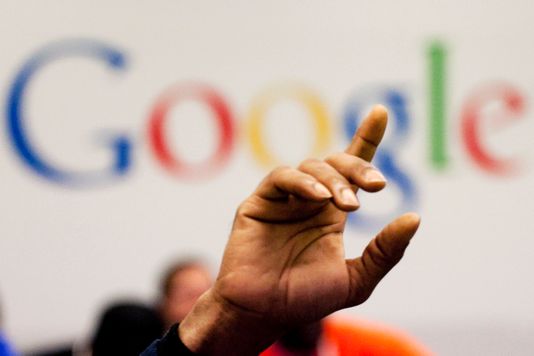
The internal company briefing produced by Google, leaked to Breitbart in 2018, states that big techs such as Google and Facebook have been moving away from the “American tradition” of free speech.[1] This move was due to a variety of factors, including the 2016...