
From 2004 through 2021, the Islamic Republic of Afghanistan was established after the invasion by the U.S. This invasion was a response to the September 11 attacks, and to prevent any further international terrorists from replicating. The Afghan government heavily depended on foreign military and financial assistance, as the country did not generate enough money to fully sustain its government, especially during many years of conflict. In 2020, the U.S signed the Doha agreement, which was a peace treaty between the U.S and the Taliban aiming to end a two-decade-long war, although the Afghan government was not fully integrated into these negotiations. This proved how weak the government’s legitimacy and confidence are. It was built on corruption, factionalism, and the lack of public trust, completely eroding its stability, making it tougher to function as an adequate democratic system. One condition for the Doha agreement was for the U.S and NATO to remove their troops, which led to the abrupt takeover by the Taliban and the collapse of Afghanistan.
Why did this collapse happen?
By 2021, as U.S and NATO forces started to withdraw, the Afghan national army faced multiple challenges, including low morale, insufficient resources, and widespread corruption. These problems undermined its capacity to resist the Taliban’s progress. The swift collapse of Afghan forces and the disorderly evacuation from Kabul reflected not only logistical failure but also a deep legitimacy crisis within the government. This uproar prompted many Afghans to revert to the Taliban, who offered promises of stability and security amid this crisis. The resurgence of the Taliban has deep-rooted origins in various factors, such as the extended military presence of foreign forces, prevalent corruption, and the Afghan government’s inability to raise legitimacy and stability among its people. The U.S. intervention in Afghanistan wanted to eliminate the Taliban and establish a democratic regime; however, over two decades, the government faced challenges in developing strong institutions and delivering essential services to its citizens, which also led to high economic inequality.
How did this collapse unfold?
On August 15, 2021, the Taliban rapidly and surprisingly seized control. The fall of Kabul signaled the collapse of the Afghan government, which had been supported by international organizations for twenty years. In the immediate aftermath, fear and uncertainty struck the Afghan people. Many attempted to flee the country, worried about a return to the oppressive policies of the past, especially concerning women’s rights and freedoms. The hectic scenes at Kabul’s Airport showed the desperation of thousands seeking to escape and emphasized the international community’s lack of preparedness for a comprehensive evacuation plan. After taking control, the Taliban wanted to project a more modest image than during their previous rule from 1996 to 2001. They pursued negotiations to gain international legitimacy and financial aid, even as they reinforced their authority through restrictions on media freedom and civil liberties. Efforts to stabilize the economy and govern effectively were hindered by international isolation, sanctions, and the absence of formal recognition. Throughout their rule, the Taliban maintained the principal origins of their extreme ideology, resulting in policies that limited the rights of women and girls and prioritized a conservative interpretation of Sharia law. Despite these complications, certain factors within the Taliban aimed to show their ability to govern by prioritizing humanitarian efforts and sustaining essential services. Nonetheless, the situation stayed grim the economy suffered substantial declines, profoundly affecting education and healthcare. Incidents of human rights violations and limitations on freedom of expression persisted, signaling a concerning position for Afghan society.
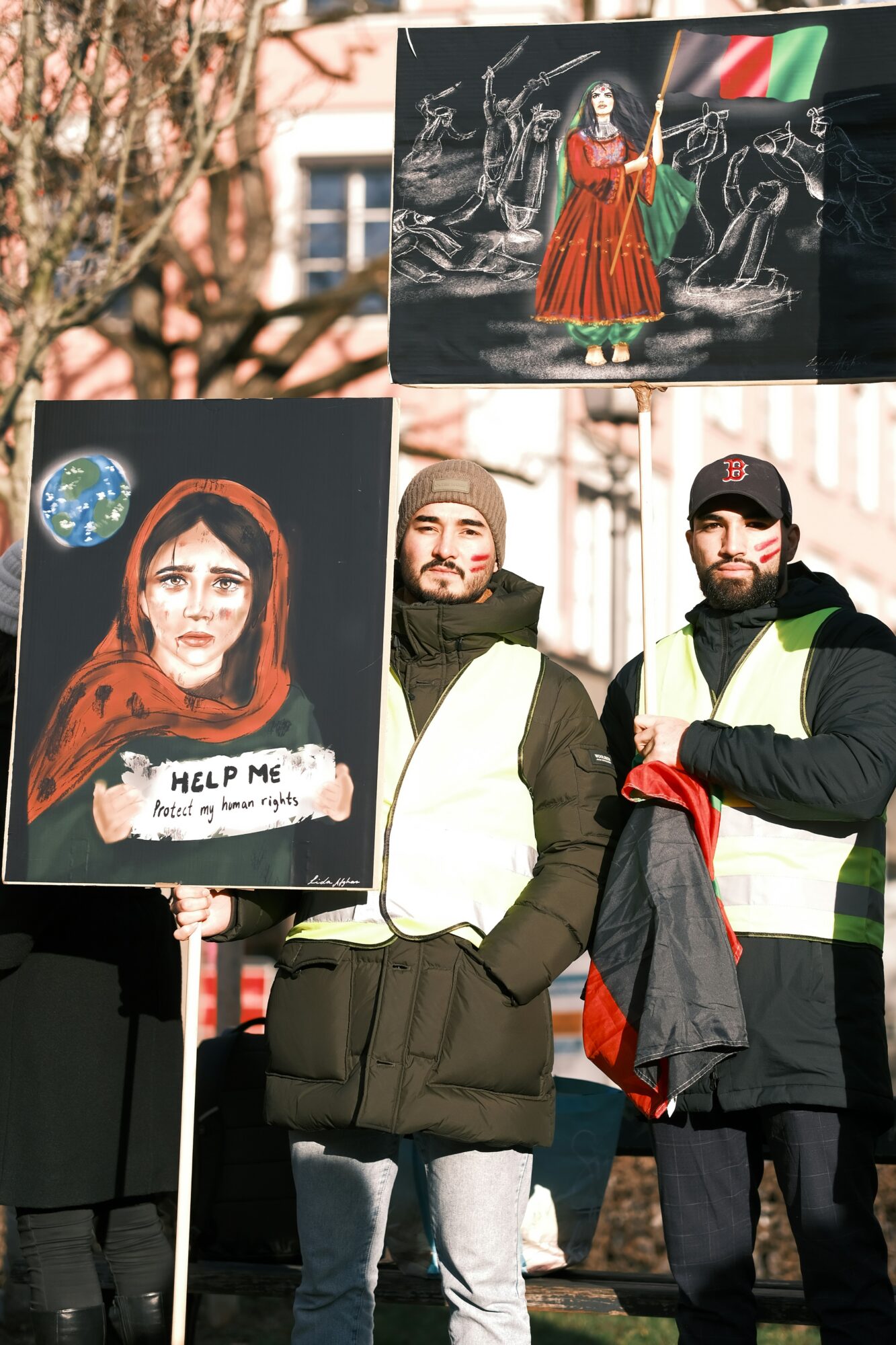
What does it reveal about Afghanistan’s democracy?
This collapse emphasizes many essential lessons about democracy. It shows that democratic systems depend not only on formal frameworks like elections and constitutions but also on the trust and support of the people. In Afghanistan, widespread corruption and political divisions hindered the government’s ability to earn this trust. The resurgence of the Taliban emphasizes the vulnerability of democratic institutions in societies with strong tribal ties and regional rivalries. Additionally, international efforts to promote democracy often overlook the difficulties of Afghan society, relying on strategies that do not effectively involve local communities. The situation also underlines the limitations of external aid in establishing a functioning democracy. Although international assistance can aid in developing institutions and ensuring security, it cannot substitute for internal cohesion and legitimacy. The Afghan government’s dependence on foreign aid led to a swift collapse of the system once that support was withdrawn. The Doha agreement shows how international negotiations can inadvertently undermine democratic governments. By engaging directly with the Taliban and excluding the Afghan government, the United States diminished the authority of the Afghan leadership and reinforced its main opposition. This emphasizes the necessity of involving all key stakeholders in peace negotiations to promote lasting stability.
0 Comments