by Yeonjeong So | Oct 17, 2026 | George Mason University
Introduction What if a country could still hold elections and call itself a democracy while its political system was becoming increasingly unequal? Serbia still holds elections, but that does not mean that its political system works on equal terms. The country holds...
by Rhea Bhandari | Oct 8, 2026 | Boston University
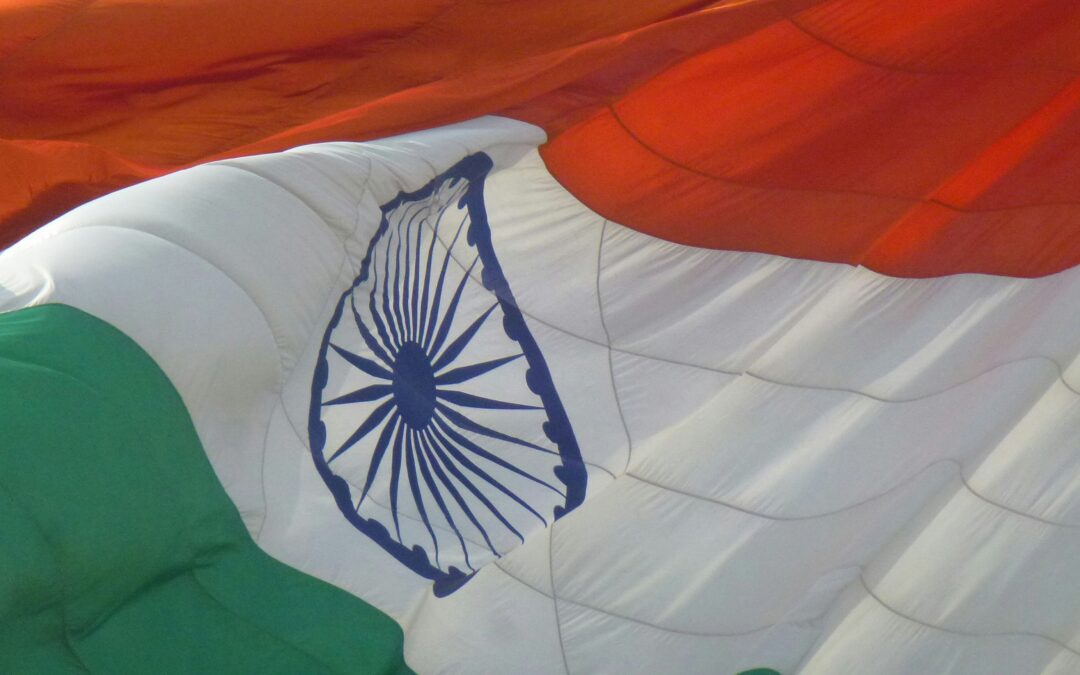
India is the world’s largest democracy, with a population of more than 1.48 billion. In the 2024 general election, voting took place over 44 days, making it the largest democratic exercise in the world. Unlike the United States where elections are decentralized...
by David Sipos | Oct 8, 2026 | Boston University
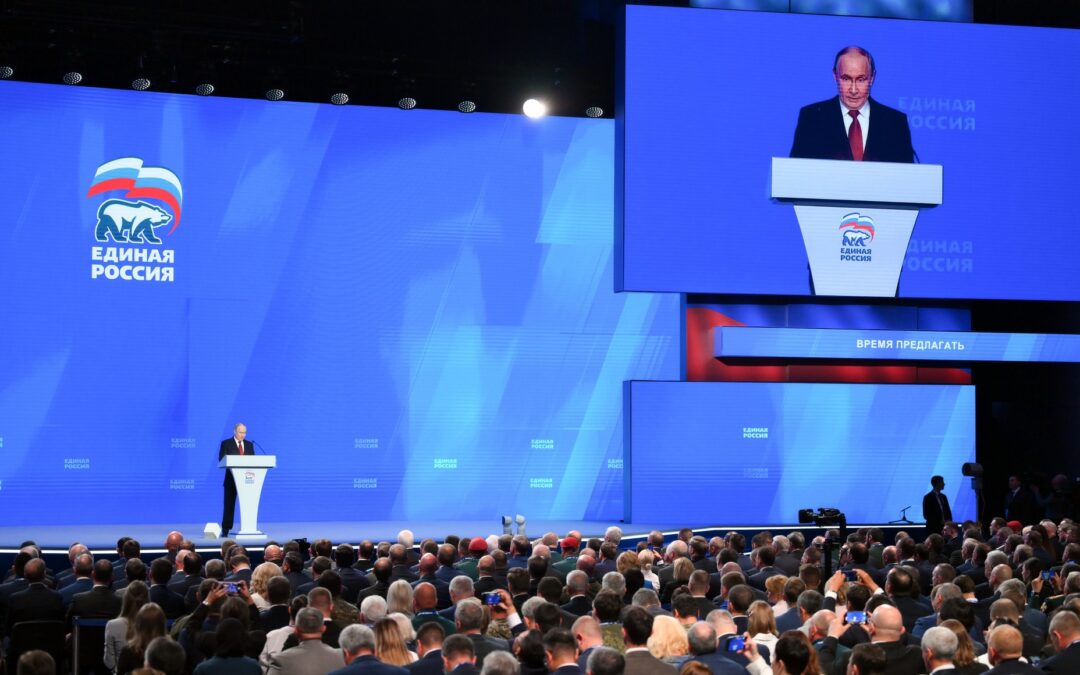
Beginning September 18 and lasting three days, Russia held its first legislative elections since the start of its invasion of Ukraine. The results, a commanding majority for President Vladimir Putin’s allied United Russia, were a foregone conclusion:...
by Michael Lodato | Oct 2, 2026 | Boston University
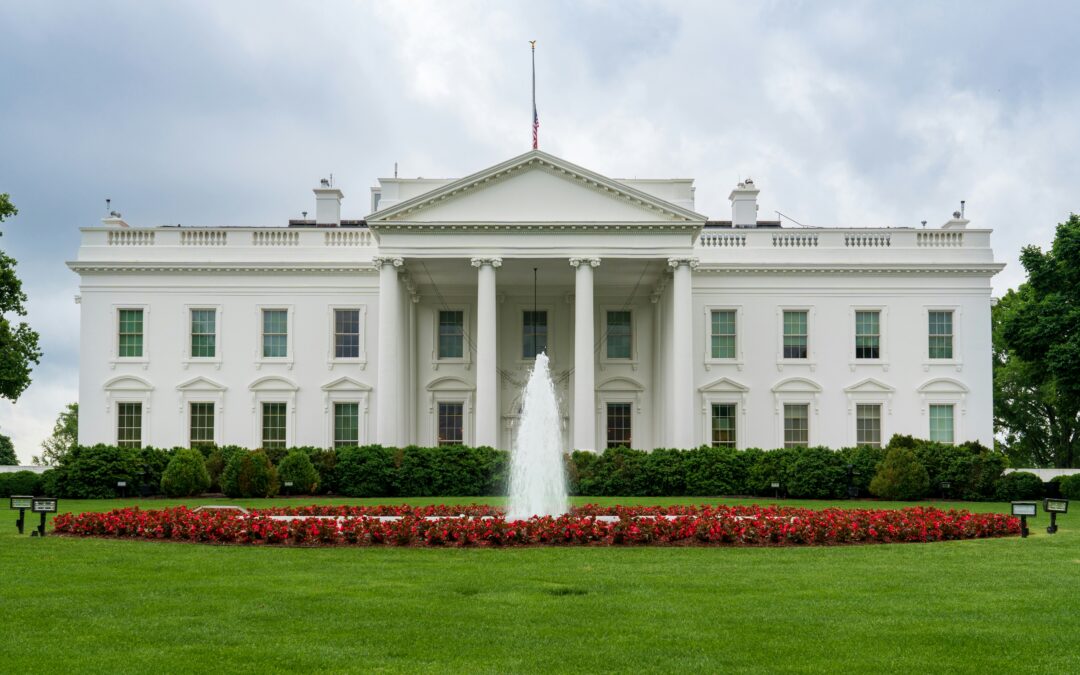
On September 19th, journalists from CNN, MSNOW, and Politico, members of the White House TV pool, had their badges confiscated and were barred from entering the grounds. President Trump announced a ban on these networks in a Truth Social (A Trump-owned social media...
by Brandon Venancio | May 5, 2026 | James Madison University
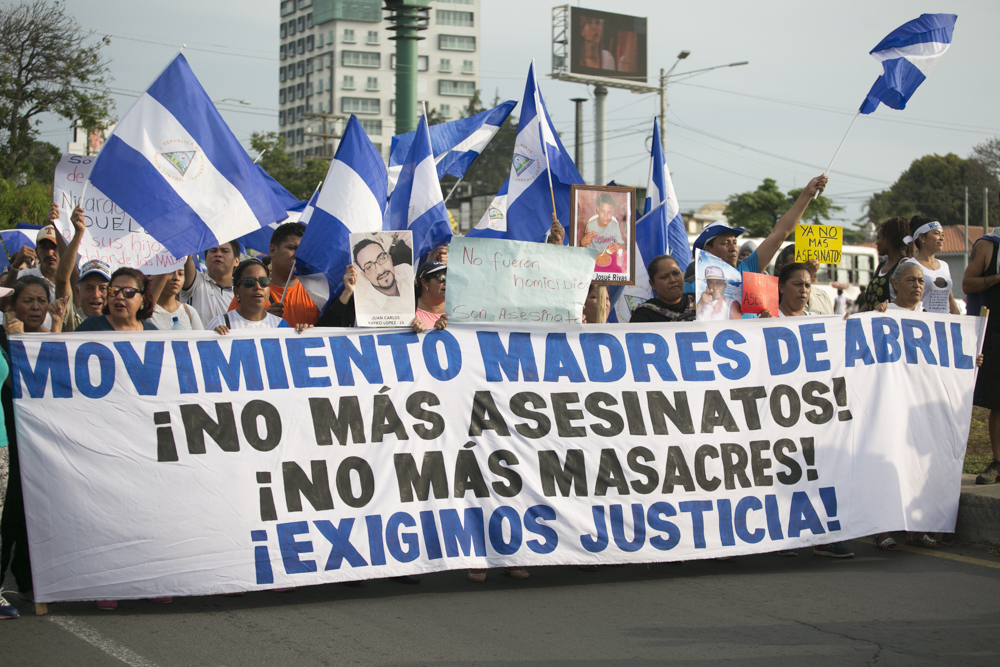
Nicaragua under Daniel Ortega has seen its presidential republic downgraded from a competitive democracy to an authoritarian regime, where the government has been more focused on the suppression of its opposition rather than improving the overall quality of life for...