by Fiona Musaraj | Apr 21, 2026 | Suffolk University
Democratic stability not only relies on fair elections, but on the shared belief of their legitimacy. The controversy surrounding the 2020 United States presidential election demonstrates just how fragile that belief can be. Despite extensive evidence and reports...

by Margaret Dumbuya | Apr 20, 2026 | Suffolk University
The U.S. response to the Iran conflict demonstrates how propaganda and narrative manipulation transform foreign policy into a domestic political tool, contributing to democratic erosion by undermining informed citizenship, weakening accountability, and expanding...
by Ashleigh Sodee | Apr 20, 2026 | George Mason University
Thailand’s political system is also shaped by the continued influence of the monarchy, particularly under King Maha Vajiralongkorn, which makes it distinct from many of its Southeast Asian neighbors. The military has often justified coups as necessary to protect the...
by Seo Yeon Yoon | Apr 20, 2026 | George Mason University
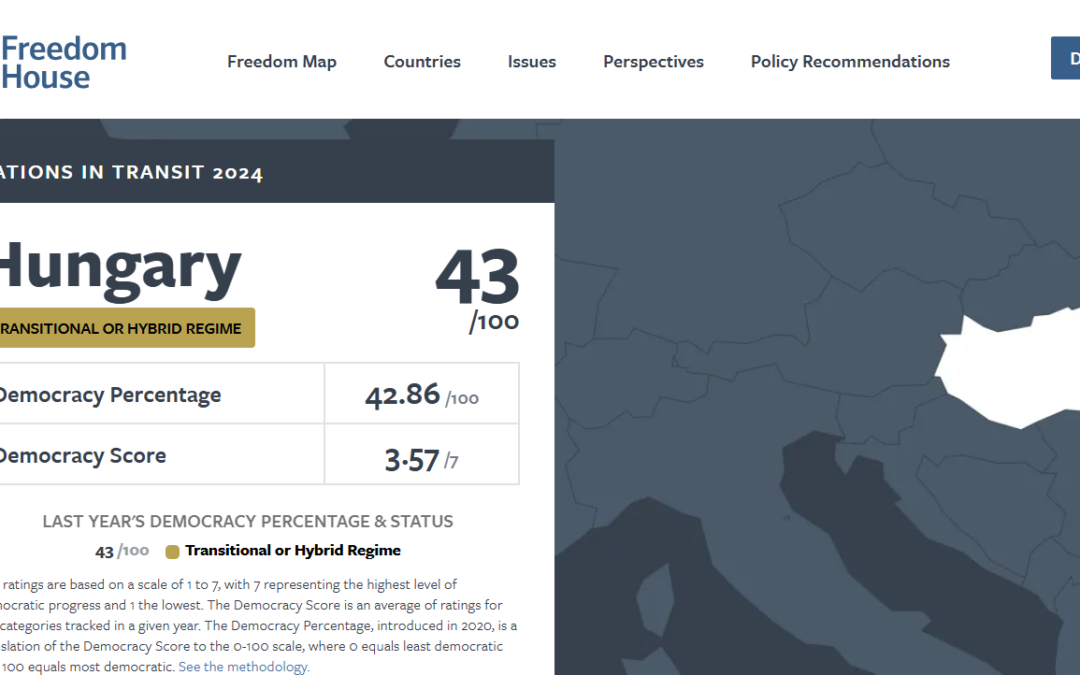
At first glance, a country that regularly holds elections may appear to function as a stable democracy. However, elections alone do not guarantee that democratic principles are being upheld. Democracy does not always collapse suddenly through coups or revolutions. In...
by Seoyoung Jung | Apr 20, 2026 | George Mason University
Hook In the early 2000s, Turkey looked like a promising case of democracy. Many people believed it could become a stable liberal democracy, even in a Muslim-majority country. However, today, Turkey is often described as an authoritarian regime. So what went wrong? In...