by Nicolas Mendez Comas | Oct 2, 2026 | Boston University
In 2011, Viktor Orbán’s government cleared hundreds of judges from Hungary’s courts by suddenly lowering their retirement age. Fifteen years later the same strategy was utilized against his own appointees. On September 15 parliament seated five new Constitutional...
by Amy Randolph-Espinoza | May 1, 2026 | Suffolk University
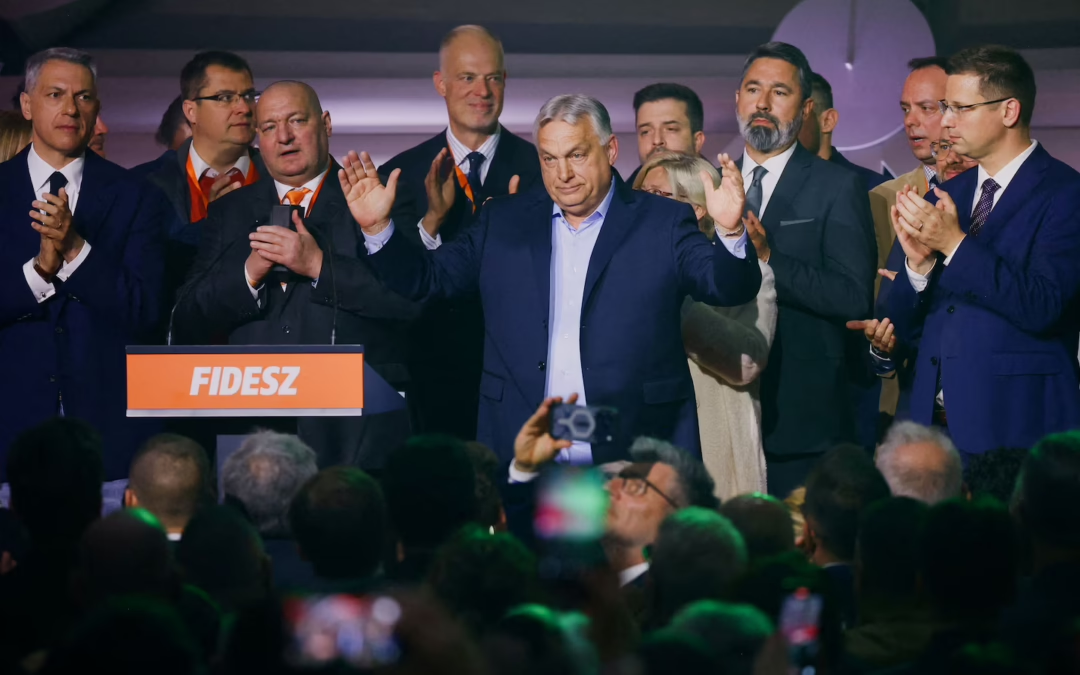
On April 12 2026 Viktor Orbán’s sixteen-year grip on Hungary ended. This is when Péter Magyar’s Tisza party won a landslide securing a two-thirds supermajority in parliament. The same threshold Orbán had used for years to rewrite the constitution in...
by Sam Dye | Apr 28, 2026 | Tulane University
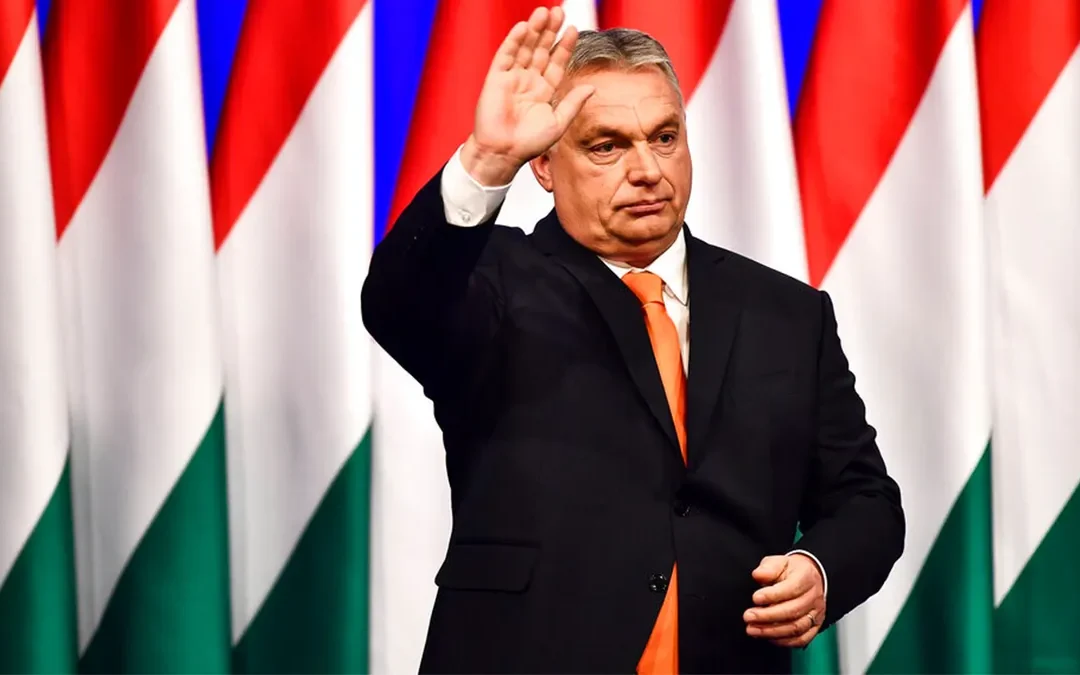
Viktor , standard bearer of the international populist right wing and Prime Minister of Hungary since 2010, has been defeated. The election took place on April, 12th 2026 and saw Péter Magyar, a former ally of Orbán’s, achieve a sweeping victory in the highest turnout...
by Hunter Porter | Apr 21, 2026 | Suffolk University
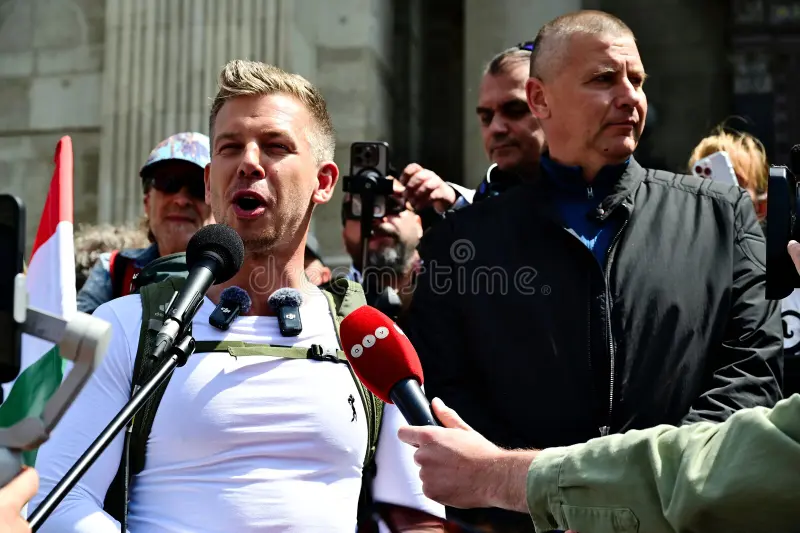
“We have liberated Hungary and have taken back our country,” said Peter Magyar, announcing his landmark victory against strongman Prime Minister Viktor Orbán. Orbán’s striking defeat marks a new era for Hungary as it seeks to rebuild its eroded democracy, strengthen...
by Seo Yeon Yoon | Apr 20, 2026 | George Mason University
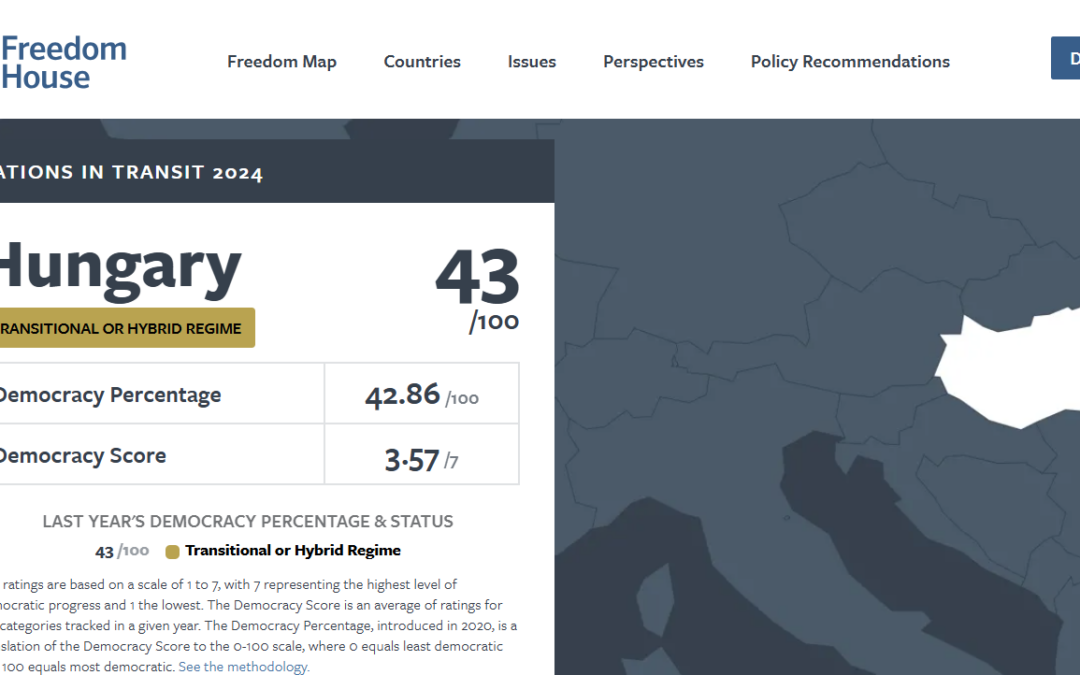
At first glance, a country that regularly holds elections may appear to function as a stable democracy. However, elections alone do not guarantee that democratic principles are being upheld. Democracy does not always collapse suddenly through coups or revolutions. In...