Orbán and the Courts: Why Hungary’s Democracy Is at Risk
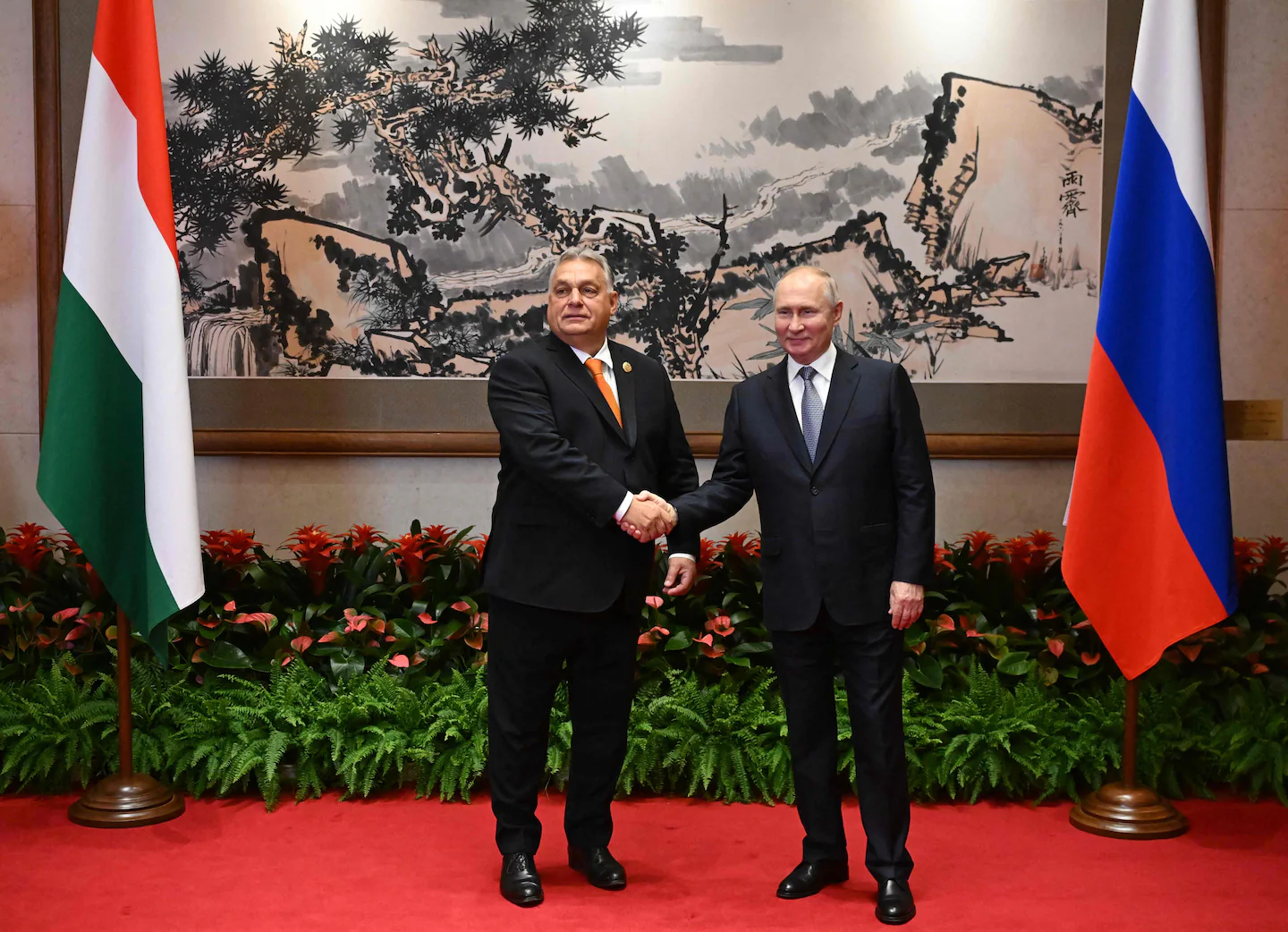
Is Hungary’s Democracy Still Alive?
If you’ve been following European politics, you might have seen news about Viktor Orbán and Budapest’s “solidarity tax.” In February 2026, Orbán issued a decree that dismissed a lawsuit filed by Budapest against the state over this tax. According to Mayor Gergely Karácsony, this wasn’t just a small tax matter, it was a direct attack on the independence of the courts (Reuters).
At first, it might seem like a minor legal technicality. But the bigger issue is what it shows about the balance of power. When the government can ignore the courts, what stops it from bending the rules whenever it wants? And if courts can’t act as a check, how safe are citizens’ rights? I want to argue that this decree is a clear example of how democracy can erode gradually.
Why Courts Matter
Some people think elections alone are enough to keep democracy alive. But as Levitsky and Ziblatt explain in chapter five of How Democracies Die, rules on paper aren’t enough. For a democracy to work, institutions like courts need to function independently. Courts act like referees, they make sure leaders follow the rules. When Orbán ignores judicial decisions, it’s like taking the referees off the field.
If politicians don’t hold back and use all their legal powers to the maximum, the separation of powers starts to break down. Venezuela shows what can happen when courts lose independence: by filling the judiciary with loyalists, the government turned them from independent watchdogs into lapdogs, leaving citizens with almost no way to challenge the state. In Hungary, we see something similar. The government may follow the letter of the law, but in practice, it bends the rules to weaken political opponents.
How Executives Slowly Grab Power
Nancy Berneo highlights in her article On Democratic Backsliding an important change in how democracies break down today. In the past, leaders might have tried to take power all at once, like suspending the constitution. Now, the process is more subtle. Executives gradually weaken the checks on their power, targeting institutions like the courts one by one, so opposition forces have less ability to hold them accountable.
What makes this process especially dangerous is that it happens through legal channels. Leaders can use laws, decrees, or newly elected parliaments to make changes that look legitimate and claim a democratic mandate. Orbán’s decree fits this pattern perfectly. He doesn’t shut down the courts or use force; instead, he uses his legislative authority to reduce their independence bit by bit. Over time, small changes like this shift power from the judicial branch to the executive, often without citizens noticing until the system is already weakened.
Putting Orbán’s Move in Context
This decree wasn’t just about taxes. It sent a clear signal: the government decides, and the courts come second. This shows how democratic erosion often happens little by little. Orbán has been increasing executive power for years, through changes in laws, the constitution, and judicial appointments (BBC). Each step on its own may seem small, but together they gradually shift the balance of power.
Looking at Venezuela helps illustrate the risk. Hungary hasn’t completely taken over its judiciary yet, but sidelining courts in important cases follows the same logic. Citizens lose access to justice, and the government faces less accountability. Institutions may still exist, but their ability to limit executive power is shrinking.
Why This Matters
If courts can be bypassed, elections alone can’t protect democracy. The rule of law is essential. When it’s weakened, the system becomes vulnerable. Examples like Venezuela show that small attacks on judicial independence can pave the way for much deeper authoritarian control.
Hungary is a reminder that democracy is fragile. Even small changes can have big consequences. Some may argue that Orbán is just trying to govern efficiently or protect national interests, but efficiency doesn’t replace accountability. Courts need to be able to act independently, or the system becomes democracy in name only.
Conclusion
The dismissal of Budapest’s lawsuit might look minor, but it’s a warning. It shows how an executive can bypass courts, consolidate power, and slowly erode democracy from within. Lessons from Venezuela, Berneo, and Levitsky and Ziblatt all point to the same conclusion: independent courts are crucial for a functioning democracy.
Hungary shows that a country can still look democratic on paper while the substance of its democracy is being hollowed out. Gradual erosion may seem slow or technical, but it has real long-term consequences. It’s a reminder that democracy isn’t just about elections, it needs active protection if it’s going to survive.
0 Comments