by Yeowon Jung | Oct 16, 2026 | George Mason University
When people think about how democracy dies, they often imagine violent military coups. However, in the modern world, democracy usually dies slowly, legally, and from within. Tunisia was once celebrated as the sole success story of the 2011 Arab Spring. ...
by Byeoree Heo | Oct 16, 2026 | George Mason University
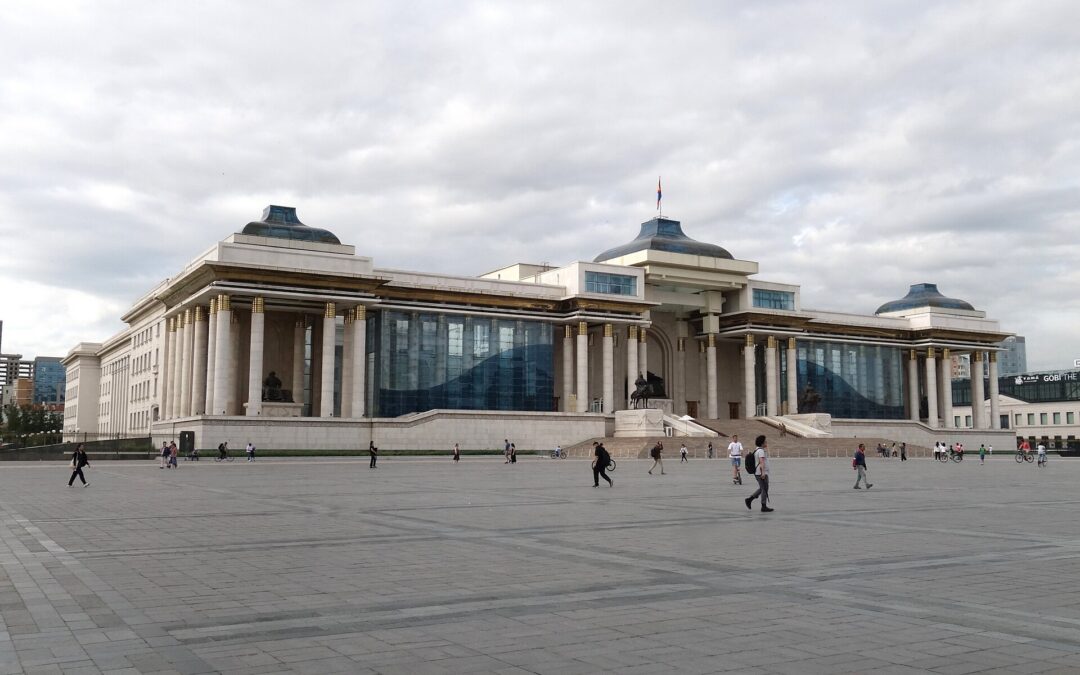
Can a nation surrounded entirely by autocratic giants keep its democracy alive when internal corruption threatens to pull it apart? Sitting directly between Russia and China, Mongolia stands as one of the most remarkable political anomalies of the post-Cold War era....
by Lilah Michaud | Oct 16, 2026 | Boston University
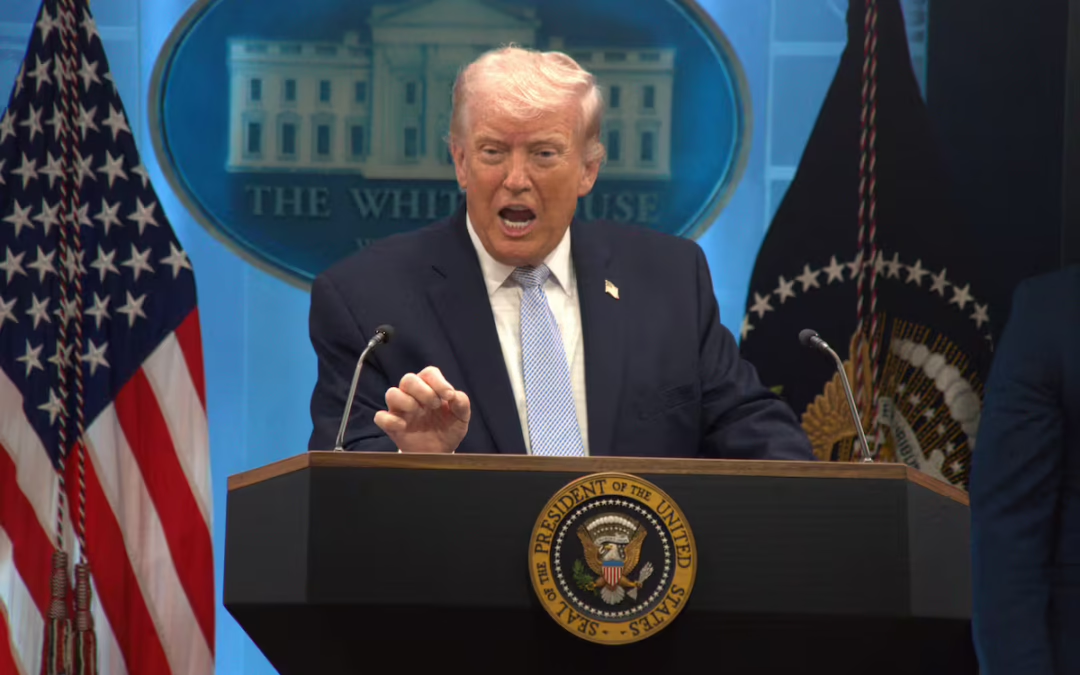
On September 18th, 2026, President Donald Trump posted online to the platform Truth Social stating that he would be “banning Fake News CNN, MSNOW,… and Politico… from the White House as a result of their constant “reporting” fake news!” (BBC). Following this post,...
by Kaylie Morales Lopez | Oct 8, 2026 | Boston University
An article by The Washington Post reports an increase in election-related lawsuits as the 2026 midterms approach. A reason behind this increase in lawsuits is partially due to President Donald Trump’s aggressive push for changes to mail-in ballots. While this...
by Taeeun Kim | Oct 7, 2026 | George Mason University
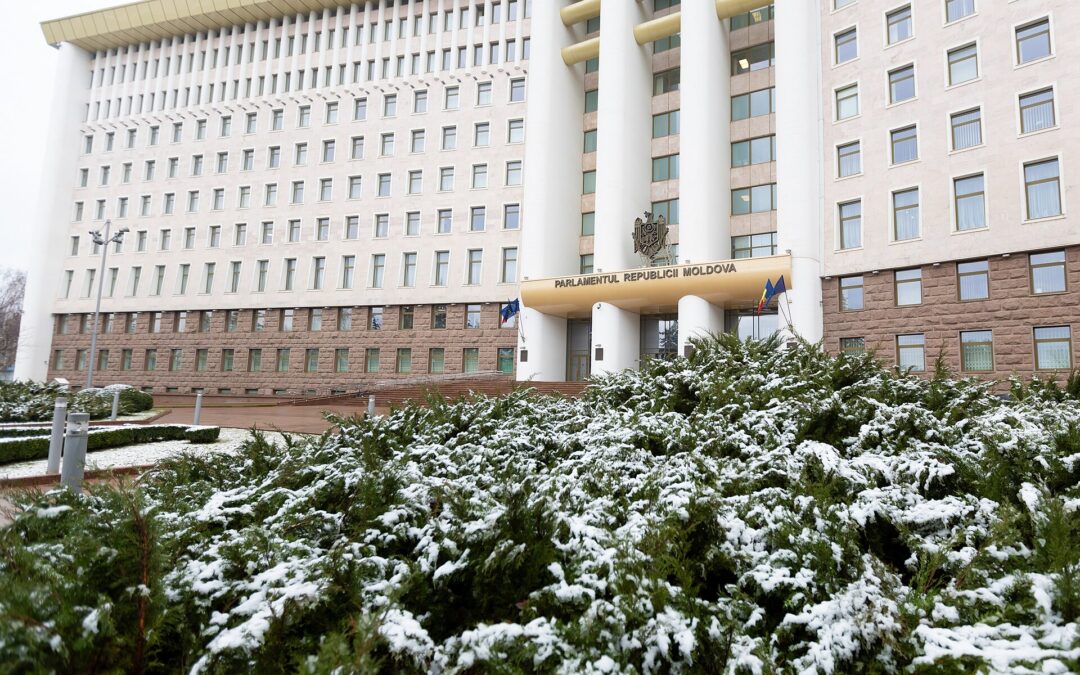
Can a democratic government protect democracy while restricting press freedom? Ahead of the 2025 parliamentary election, the Moldovan government used broad emergency powers through the “Commission for Exceptional Situations.” As documented in Amnesty International’s...