by Yurim Cha | Oct 17, 2026 | George Mason University
In December 2010, a fruit vendor in Tunisia set himself on fire. Weeks later, the dictator fled. The Arab Spring began. Fifteen years on, Tunisians are back on the streets. This time, they are confronting the president who dismantled the democracy that uprising...
by Yeowon Jung | Oct 16, 2026 | George Mason University
When people think about how democracy dies, they often imagine violent military coups. However, in the modern world, democracy usually dies slowly, legally, and from within. Tunisia was once celebrated as the sole success story of the 2011 Arab Spring. ...
by Gabeen Kim | Oct 16, 2026 | George Mason University
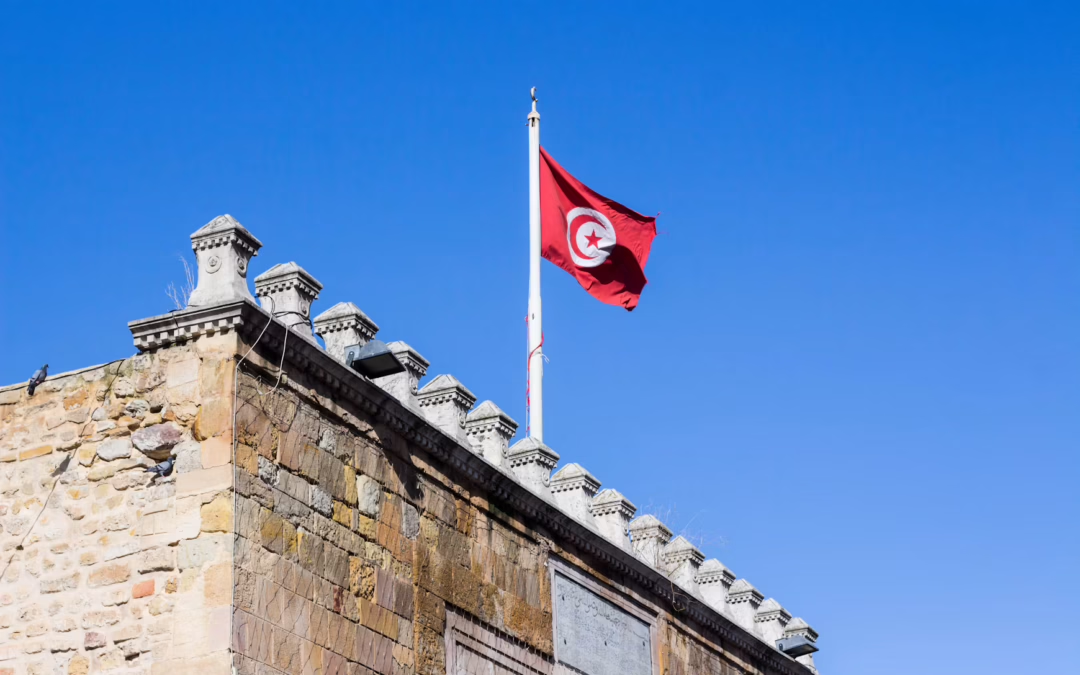
In Tunisia, democracy did not end with a military coup or a cancelled election. It gradually became weaker. The president used emergency powers, presidential orders and constitutional changes. Critics also faced more pressure. Tunisia used to be called the biggest...

by Patrick Walsh | Apr 28, 2026 | Suffolk University
On April 24, 2026, Tunisian President Kais Saied’s government suspended the Tunisian League for Human Rights (LTDH). This organization shared the 2015 Nobel Peace Prize for its role in saving the country’s democratic transition. The same day, authorities detained Zied...
by Dyshorn Lebron | Feb 22, 2026 | Arizona State University
Since the demand for democracy emerged during the Arab Spring across many middle eastern countries, the origin country Tunisia have been countlessly facing many challenges in their struggle against authoritarian resurgence. What factors have contributed to...